


Kenya: The Wildlife Wonderland
- Admin

- Feb 28
- 6 min read
Kenya, the wildlife wonderland, doesn't feel like a place to go; it feels like a story happening right now under a big African sky. In the Countries & Cities category, Kenya stands out not only for its borders and capital city, but also for the wildlife that roams freely across its plains. Herds of wildebeest make the horizon look dark. Elephants make slow paths through grass and dust. Flamingos turn whole lakes pink. This land has lessons that no classroom wall can hold for young readers, travellers, and learners who are connected to the wisdom point values of curiosity and responsibility.

The Geography That Makes the Wonder
Kenya is in East Africa, along the equator. It is next to Tanzania, Uganda, South Sudan, Ethiopia, Somalia, and the Indian Ocean. The Great Rift Valley runs through the country in a very dramatic way, making cliffs, volcanic lakes, and open plains. The geography here isn't just a pretty picture. It decides how life goes on. Mount Kenya is the second highest mountain in Africa, standing 5,199 meters above sea level. Even though the country is on the equator, there is snow near the top. The slopes of this mountain give rise to rivers that feed grasslands and swamps far below. Lake Victoria is part of the biggest tropical lake system in the world to the west. Coral reefs along the coast protect sea life near Mombasa. These changing landscapes let different ecosystems live and grow next to each other. Savannas are good for animals that eat grass. Acacia forests give you shade. Wetlands draw in birds and other animals that hunt. Because of this variety, Kenya is one of the most biodiverse places on Earth to go on safari.

The Maasai Mara's Great Migration
Every year, one of nature's most dramatic events takes place in the Maasai Mara. More than 1.5 million wildebeest, along with zebras and gazelles, move between Tanzania's Serengeti and Kenya's Maasai Mara in search of new grass. The Great Migration is the name of this journey, which is caused by rain and the need to survive. Crossing the Mara River is hard for all animals. Crocodiles are in the water. Lions watch from the tall grass. The air is full of dust, stress, and movement. Not all animals live, but the cycle keeps the ecosystem in balance. Predators eat. Scavengers clean up the remains. Grasslands come back to life. The Maasai Mara is also home to the famous Big Five safari animals: the lion, the leopard, the elephant, the buffalo, and the rhinoceros. The plains are bathed in golden light at dawn, and the outlines of giraffes can be seen stretching across the horizon. It looks like it could be from any time.
The Giants of the Savannah and Amboseli
Amboseli National Park is close to the border with Tanzania. In this picture, elephants walk in big family groups with Mount Kilimanjaro behind them. This picture is now one of the most famous safari pictures in the world. The swamps in Amboseli always have water, even when it's dry. Cheetahs need open areas where they can see their prey from far away. When the conditions are right, flamingos will sometimes gather in alkaline waters nearby. For decades, scientists have studied Amboseli's elephants, using ear patterns and tusk shapes to tell them apart. Their research shows that families are very close and have long memories. But in the last few years, drought cycles have gotten worse. Local communities still have a hard time balancing the needs of livestock and wildlife corridors.
The Lakes of the Rift Valley and the Birds That Live There
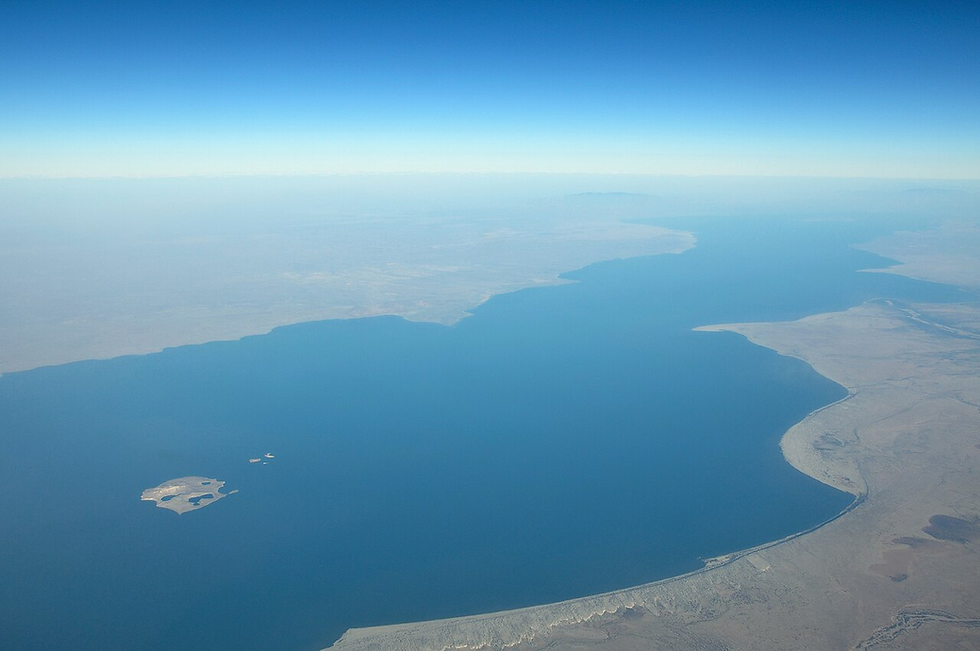
Kenya is one of the best places in the world to watch birds. When algae blooms, the Rift Valley lakes, such as Lake Nakuru, Lake Naivasha, and Lake Bogoria, draw huge groups of flamingos. Their pink reflections sparkle on the water. Lake Nakuru National Park is also home to black and white rhinos that are in danger of going extinct. Baboons and Rothschild giraffes live in acacia forests. Pelicans glide over the water while fish eagles call from the tops of trees. Kenya is home to over 1,000 different kinds of birds. Birds that migrate from Europe and Asia join birds that live here. Kenya Wildlife Wonderland is a great example of how healthy ecosystems are important for biodiversity because they bring together so many different types of habitats.
Culture and Conservation: The Link Between People
In Kenya, wildlife and people are always together. For generations, the Maasai people have lived next to animals that move around. They are traditionally pastoralists who move cattle across open land that is also home to wildlife. Community conservancies are now very important. Landowners make money from tourism and set aside space for animals. This shared approach cuts down on poaching and keeps migration routes safe between big parks like Tsavo East and Tsavo West. The Kenya Wildlife Service is in charge of patrols that stop poaching and keep an eye on endangered species. Rhino numbers have gone up in some reserves because they have been well protected. Young Kenyans are taught to value conservation as part of their national identity through education programs. Kenya is a good example of how culture, economy, and environment are all connected in the bigger picture. Tourism is a big part of the economy, but protecting habitats is important for the long-term survival of the area.

Life in the Indian Ocean
The story of Kenya's wildlife goes beyond the savanna. Marine parks like Watamu Marine National Park protect coral reefs full of life along the coast of the Indian Ocean. Sea turtles lay their eggs on quiet beaches. Dolphins swim in clear water. Mangrove forests protect coastlines from erosion and serve as nurseries for fish and crustaceans. Snorkeling shows off coral gardens full of color and schools of tropical fish. Coral reefs are in danger of bleaching because the sea is getting warmer. Conservation groups work closely with people who live on the coast to make sure fishing is done in a responsible way and to protect delicate marine ecosystems.
Why Kenya Wildlife Wonderland is Important Now
Kenya is a place where modern growth meets ancient landscapes. The capital city, Nairobi, is still growing. But just beyond its skyline is Nairobi National Park, where you can see giraffes and rhinos grazing next to tall buildings. Not many countries have wildlife and city life so close together. The phrase "Kenya Wildlife Wonderland" means more than just beauty. It talks about a living classroom where students can learn about how animals move, how predators and prey interact, and how climate affects ecosystems. Satellite collars help researchers keep track of where elephants go. Ecologists look at how grass grows back after it rains. Kenya teaches a simple but important lesson to young readers and people who want to learn about the world. Wild places need to be taken care of. Responsible tourism can help both the environment and the people who live there. Curiosity, respect, and a sense of shared duty help these landscapes last. Kenya still amazes people. The plains, mountains, lakes, and reefs show us that our natural heritage is not far away or abstract. It is alive, breathing, and worth protecting for the future.
Questions and Answers
1. What sets Kenya Wildlife Wonderland apart from other safari spots?
Kenya has a wide range of ecosystems in one country, and the Great Migration takes place in Maasai Mara, where there are also a lot of the Big Five animals.
2. When can people see the Great Migration in Maasai Mara?
Depending on how much it rains, the migration usually gets to Kenya between July and October.
3. How does Kenya keep rhinos and other endangered animals safe?
The Kenya Wildlife Service protects habitats by patrolling against poaching, keeping an eye on animals, and working with community conservancies.
4. Why are the lakes in the Rift Valley important for flamingos?
Flamingos eat algae that live in these lakes. Changes in the chemistry of the water affect how many birds come each season.
5. Can animals live near big cities like Nairobi?
Yes. Nairobi National Park is next to the capital city, which shows that animals and people can live together if they plan carefully.
6. How does tourism help protect wildlife in Kenya?
Safari tourism pays for park management, ranger programs, and community projects that help protect wildlife.

Comments