


Sri Lanka - The Pearl of the Indian Ocean

Sri Lanka, the pearl of the Indian Ocean, is the sort of place that takes its time to impress you. It shows itself slowly. It might start with the sound of waves in the early morning, or tea leaves swaying in the wind, or a smile shared in a roadside shop. This is an island just below India, surrounded by the Indian Ocean of depth that cannot be understood in one glance. It feels used, shaped by time, and quietly confident.
Geography and Natural Variety
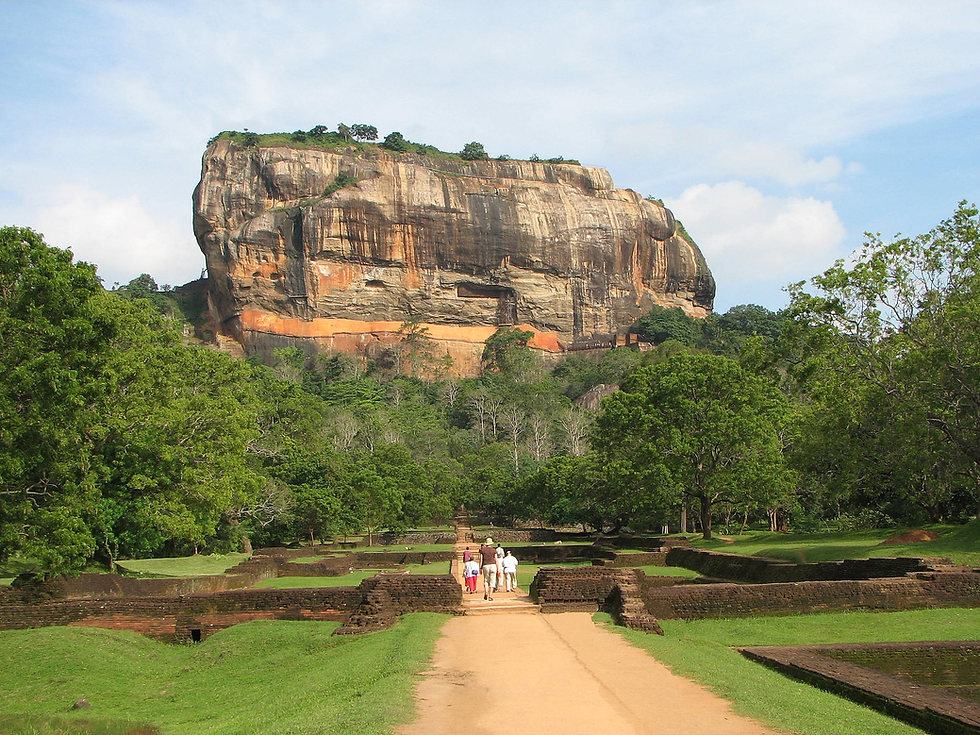
Travel across Sri Lanka and the change in landscape is almost instantaneous. The sea is near the coast at places like Bentota, Mirissa and Trincomalee. Fishermen push their boats out before the sun rises, and in the evenings, folks gather by the shoreline talking, walking, or just looking at the water. Go inland and the tour is different. The heat softens, the roads start to climb and soon the hills of Nuwara Eliya and Ella appear. The slopes are covered with long straight rows of tea. Workers pass through them in a steady rhythm, often talking softly as they do their work. Move on and the forests take over. This is not an empty silence, but a full one, in Yala and Udawalawe. You might see elephants slowly walking across the road, or hear birds calling deep in the trees. At times it feels like you are a guest in a place owned by something older. And it's all just a short distance away. That is what makes Sri Lanka feel layered, without being overwhelming.
Ancient Civilizations & The Legacy of History
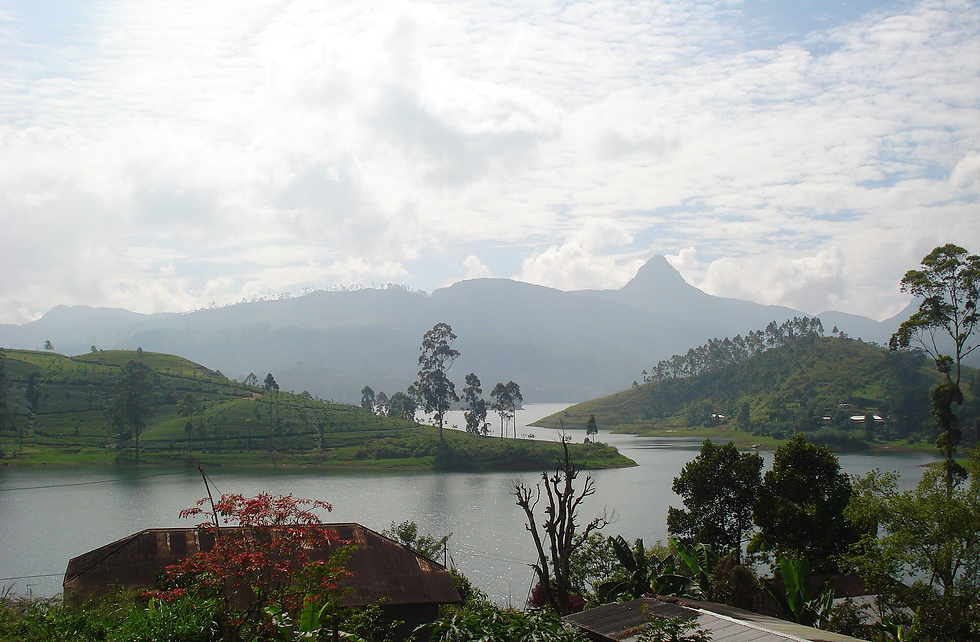
History in Sri Lanka does not seem distant. It is in open space in Anuradhapura and in Polonnaruwa. You go by big stone buildings, quiet places of worship, old ways of bringing water that still tell the story of people who lived there with thought and skill. Sigiriya stays in the mind for long. The rock is sudden and the climbing is hard. As you go up you notice little details. Faded paintings, carved stairs, the view getting bigger as you go up. It’s not a museum kind of thing. It’s a place that used to have life running through it. In Kandy, the Temple of the Tooth has another kind of presence. People arrive with a purpose. Some stand silently, some pray, but there is a common feeling of respect you can feel even if you don’t speak the language. Later, outside influences came in through trade and colonial rule. You can see traces of this in Galle and Colombo, in buildings and streets that feel just a little bit different. But these changes coexist with older traditions rather than replacing them.
Culture, Traditions and Everyday Life
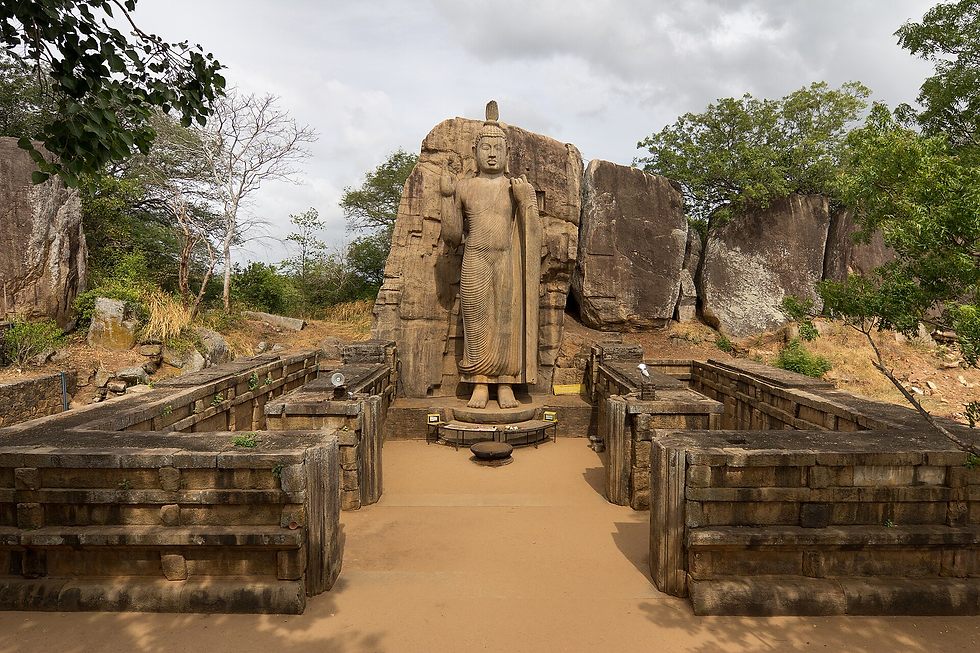
Living in Sri Lanka - The Pearl of the Indian Ocean seems to have a touch of routine that doesn’t seem contrived. Conventions emerge in everyday moments rather than being set apart. For instance, during Vesak the streets are illuminated. Lanterns hanging across streets. People gathered in small groups. Food is shared, conversation is long and the atmosphere is calm amidst the activity. Food is a story in itself. Rice and curry are staple but each household has its own recipe. The coconut, spices and fresh ingredients make each meal taste just a little different. Meals are typically shared, and the sharing is usually spontaneous. Language is easy and flows between people. Sinhala and Tamil are the common languages, with English often joining in, especially in schools and work. Conversations change quickly. You go to a market and notice something simple. People talk. They halt. They keep going. There is motion, but no steady rush.
Economy and Key Industries
You see around you the reflection of Sri Lanka’s economy. Tea is one of its best-known products and you can see where it begins in the hills around Nuwara Eliya. It’s not just a business. It is part of the daily grind. Fishing shapes life on the coast. The boats come in early and the catch moves fast through the markets. It is work linked to the sea and people follow its rhythm closely Agriculture is still important with crops such as coconut and rubber. And the pace of a city like Colombo is different too. Offices, shops and services connect the country to the wider world. Newer growing industries are textiles and technology. The country has also faced economic problems. The problem of balancing growth with everyday needs still affects many people directly.
Environmental & Wildlife Value
Sri Lanka has a large number of wild animals in a small area. In national parks, elephants have been known to move in groups, sometimes slowly across open land. Leopards are still more difficult to see but their presence is known. Birdlife is abundant in much of the country, particularly around water. The sounds of wetlands and forests change from morning to evening. Dolphins and whales swim in the ocean around them. Coral reefs near the shore are home to smaller forms of life. At the same time, this equilibrium is under stress. Changes in climate, loss of forest areas and human activity affect these systems. Protection efforts are underway, but they take patience and care. For many people living around these areas nature is not far away. It’s a part of everyday life.
Modern Sri Lanka and International Identity
Today Sri Lanka seems to be moving step by step forward. Cities are expanding, and the youth are seeking out new ways. Technology is more prevalent now, especially in urban spaces. At the same time, older ways are visible. Religious practices, family bonds and cultural habits continue to influence daily life. The result is continuity, not clash. Visitors tend to remember the people they meet with. Not in the big moments, but the little ones. A hello, a brief conversation, a laugh together. The country is still trying to find its way, between change and tradition, holding onto what seems important.
In Conclusion
Sri Lanka (Ceylon) - The Pearl of the Indian Ocean isn’t only about places you can mention or enumerate. It's about what you see when you're there. A quiet road in the hills. The sound of the waves in the evening. A quiet moment in a busy day. It shows that a place can have many layers at the same time. Pause and movement, present and past. And often these small, steady details are what stick around the longest.
Questions & Answers
1. Why Sri Lanka is called the Pearl of Indian Ocean?
It is known for the beauty and variety of landscapes in a small island.
2. Where Sri Lanka is located?
It is situated in the Indian Ocean south of India.
3. What are the best known places to visit in Sri Lanka?
Sigiriya, Kandy, Colombo, Nuwara Eliya and Mirissa are well known.
4. What is Sri Lanka famous for economically?
It is known for tea, fishing as well as agriculture and growing service industries.
5. What languages in commonly spoken Sri Lanka
Sinhala (official), Tamil (official), English are widely used.


Comments