


The Microbiome: The World Inside Us and Why It Matters

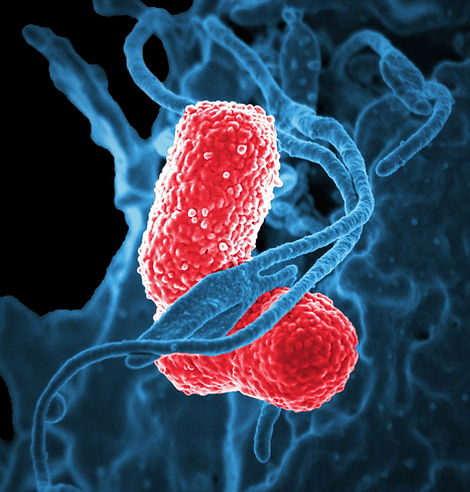
Every human body carries a hidden universe. Inside us exists a vibrant world of microscopic life, influencing health, digestion, immunity, and even mood. This universe is known as the microbiome. It includes bacteria, fungi, viruses, and other tiny organisms that live on our skin, in our gut, and throughout the body. Understanding The Microbiome: The World Inside Us gives us insight into one of the most important wisdom points in science & technology, shaping medicine, nutrition, and mental wellbeing.
Important Details and Classification
• The microbiome is a living microbial ecosystem within the human body, studied in microbiology, physiology, and immunology.
• It is made up of trillions of microorganisms living on the skin, in the gut, mouth, and other organs, and it influences digestion, immunity, and even brain activity. Each person’s microbiome is highly individual and changes with diet, lifestyle, environment, and daily habits.
• The human gut alone contains over 100 trillion microbes, and microbial genes outnumber human genes by roughly 150 to 1. Large scale scientific understanding expanded after the Human Microbiome Project began in 2007.
• The microbiome faces several challenges. Overuse of antibiotics can disrupt microbial balance. Poor diets, stress, and urban lifestyles reduce microbial diversity. Pollution and chemical exposure may also damage beneficial microbes.
The Hidden World Inside
Though invisible, the microbiome is bustling with activity. In the gut, microbes break down food, produce vitamins, and guide immune responses. On the skin, they block pathogens by taking up space and producing protective chemicals. Even the mouth and respiratory system host communities that maintain health and prevent disease.
This ecosystem challenges our perception of self. Microbes are not passive passengers; they actively shape our wellbeing. In regions like the Amazon Basin, children exposed to soil and natural environments develop richer, more diverse microbiomes than children growing up in densely populated cities such as Tokyo or New York. This shows how geography and environment influence microbial communities.
The Microbiome and Everyday Choices We Forget About

Most people do not think about their microbiome when they wake up in the morning. They think about coffee, traffic, messages, and plans. But every small choice quietly shapes the microbial world inside the body. What we eat. How fast we eat. How often we sleep well. Even how often we step outside or touch natural surfaces. These choices do not work instantly. They build patterns over time, just like habits.
Highly processed food gives quick energy but little support to beneficial microbes. In contrast, simple foods like vegetables, fruits, whole grains, and fermented items feed different microbial groups. These microbes then return the favor by producing compounds that reduce inflammation and support digestion. The relationship is not dramatic. It is slow and steady. That is why people often miss it.
Modern hygiene also plays a role. Clean water and sanitation save lives, but over-sanitization can reduce healthy exposure. Children who grow up with pets, gardens, or outdoor play often develop stronger microbial diversity. This does not mean avoiding cleanliness. It means allowing balance. The microbiome learns from interaction, not isolation.
Stress is another quiet disruptor. Chronic stress changes gut movement and chemical signals, which alters microbial balance. This explains why digestive issues often appear during emotionally difficult periods. The microbiome listens even when we do not speak. Understanding this helps people treat health as a long conversation, not a quick fix.
The Gut Microbiome: A Metabolic Powerhouse
The gut is home to the microbiome’s most studied community. Bacteria such as Bacteroides, Lactobacillus, and Firmicutes digest complex foods, produce short-chain fatty acids, and synthesize essential vitamins like B12 and K. The gut microbiome communicates with the brain through the gut-brain axis, affecting mood, stress levels, and cognition.
Fiber-rich diets, fermented foods, and polyphenols support a healthy gut, while high-fat, high-sugar diets can reduce microbial diversity. Research from institutions like Harvard Medical School and Kyoto University shows that gut imbalances may contribute to obesity, diabetes, and autoimmune conditions, proving the gut’s central role in overall health.
Skin Microbiome: Nature’s Barrier
The skin hosts a diverse microbial community, acting as a natural defense. Staphylococcus and Corynebacterium live in moist areas like armpits, while Propionibacterium dominates oily regions such as the face. These microbes compete with harmful bacteria, produce antimicrobial molecules, and help train the immune system.
Environmental factors and skincare routines affect skin microbiome diversity. Coastal cities like Mumbai or Los Angeles expose residents to different microbes than cold, dry regions such as Siberia’s Taiga. Even minor differences in local flora can influence skin microbial composition.
Oral Microbiome: Tiny Guardians of Health
The mouth hosts hundreds of microbial species that influence dental and gum health. Streptococcus species help break down food, while other microbes prevent overgrowth of harmful organisms. Disturbances can lead to cavities, gum disease, and even affect systemic conditions like heart disease and diabetes.
Diet, oral hygiene, and probiotics maintain oral microbial balance. Geographic differences in food culture, such as kimchi consumption in Korea or fermented dosa in South India, also play a role in shaping oral microbiomes.
Microbiome and the Mind: Brain Connections
Emerging research reveals that the microbiome communicates with the brain using chemical messengers, the vagus nerve, and immune pathways. Some gut bacteria produce neurotransmitters like serotonin and GABA, influencing mood and cognitive function.
Children raised in rural areas, such as the Swiss Alps, experience higher microbial exposure, potentially reducing allergies and anxiety compared to urban populations. This insight positions the microbiome as a target for mental health interventions through diet and probiotics.
Why the Microbiome Matters for the Next Generation
For the next generation, the microbiome is not just a scientific topic. It is a life skill. Children growing up today face environments very different from those of their grandparents. Urban living, screen time, packaged food, and limited outdoor exposure are becoming normal. These shifts shape the microbiome early, often before anyone notices.
Research now shows that early microbial diversity influences immunity, allergies, and long-term health. When children lack exposure to varied microbes, their immune systems may overreact later. This helps explain rising allergies and autoimmune conditions across the world. Teaching young people about the microbiome builds awareness, not fear. It encourages better choices without obsession.
The microbiome also changes how we think about medicine. Instead of only treating symptoms, future healthcare may focus on restoring balance. Personalized diets, targeted probiotics, and microbiome-friendly therapies are already emerging. These ideas will shape how the next generation understands health responsibility.
Most importantly, learning about the microbiome reminds young people that they are not separate from nature. Even inside the body, life exists in cooperation. This idea builds respect for ecosystems, food systems, and sustainability. The microbiome becomes a bridge between personal health and global awareness. Quiet, invisible, but deeply influential.
Modern Challenges and Scientific Frontiers
Modern life presents threats to microbiome balance. Antibiotics, processed foods, and reduced exposure to diverse microbes in urban settings can decrease microbial diversity, increasing vulnerability to diseases. Leading research centers, including the Broad Institute and Max Planck Institute, are mapping microbial communities to understand how restoring balance improves health outcomes.
Innovative approaches include microbiome-based therapies, personalized nutrition, and fecal microbiota transplants. By studying The Microbiome: The World Inside Us, scientists aim to correct imbalances in gut, skin, and oral microbiomes, offering a roadmap to healthier living in the modern world.
Conclusion
The human microbiome is a vast, complex universe that surrounds each of us. It shapes metabolism, immunity, mental health, and disease risk. From gut to skin to mouth, microbial communities are active partners in maintaining wellbeing. Recognizing The Microbiome: The World Inside Us as a core wisdom point in science & technology highlights the deep connection between humans and the microscopic life within us. Nurturing this hidden world can enhance resilience, health, and understanding of ourselves in an increasingly urbanized world.
FAQs
1. What is the human microbiome?
The human microbiome is the collection of trillions of microorganisms living in and on the body, affecting digestion, immunity, and brain function.
2. How does the gut microbiome influence overall health?
Gut microbes digest food, produce vitamins, and communicate with the brain, impacting mood, metabolism, and disease susceptibility.
3. Can lifestyle affect the microbiome?
Yes. Diet, hygiene, stress, antibiotics, and environmental exposure all influence microbial diversity and health.
4. How does the skin microbiome protect us?
Skin microbes compete with harmful bacteria, produce antimicrobial compounds, and train the immune system.
5. Why is the microbiome considered a wisdom point in science & technology? Understanding the microbiome informs medicine, nutrition, and mental health interventions, highlighting the critical connection between humans and their internal microbial world.


Comments