


The Top 10 Detective Books of All Time: Master Minds & Twisted Trails

The allure of the unknown, the thrill of the chase, and the satisfaction of a puzzle meticulously solved – these are the hallmarks of detective fiction, a genre that has captivated readers for centuries. From the gaslit streets of Victorian London to the grimy alleys of Los Angeles, literary detectives have invited us into their brilliant minds, challenging us to uncover secrets, piece together fragmented clues, and unmask the culprit. Beyond mere entertainment, the best detective books have shaped literary history, influencing narrative techniques, character archetypes, and even societal perceptions of justice.
This article delves deep into the very best the genre has to offer, exploring 10 seminal works that not only defined the detective novel but continue to resonate with readers today, offering far more than a simple plot summary.

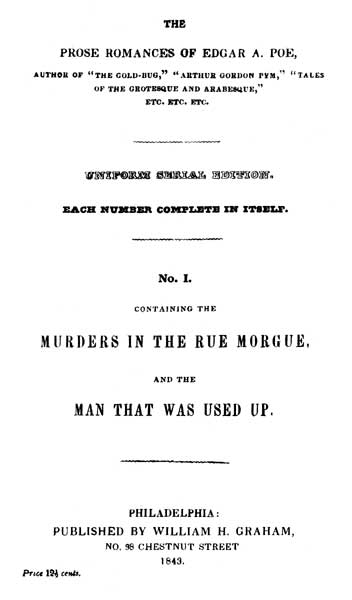
1. The Murders in the Rue Morgue by Edgar Allan Poe (1841)
Why it's essential: Widely considered the first true detective story, Poe's "The Murders in the Rue Morgue" introduced C. Auguste Dupin, the eccentric, hyper-analytical amateur detective who solves a seemingly impossible locked-room mystery through pure ratiocination (deductive reasoning).
Beyond the Surface: Poe wasn't just telling a thrilling tale; he was inventing a genre. Dupin's method of immersing himself in the criminal's mind, his use of psychological profiling, and his meticulous observation of seemingly insignificant details laid the entire blueprint for future literary detectives, including Sherlock Holmes. The narrative, told from the perspective of an admiring narrator (a prototype for Watson), emphasizes Dupin's intellectual superiority and the "armchair detective" style, where the reader is privy to the same clues as the detective, challenging them to solve the puzzle. It established conventions like the baffled police, the impossible crime, and the brilliant amateur.
2. The Moonstone by Wilkie Collins (1868)
Why it's essential: Often hailed as the first full-length detective novel in English, The Moonstone is a sprawling, multi-perspective narrative centered around the theft of a priceless Indian diamond. It introduced many tropes that became standard in the Golden Age detective stories.
Beyond the Surface: Collins' genius lies in his innovative narrative structure. The story is told through a series of interlocking testimonies, letters, and narratives from different characters, each with their own biases and blind spots. This multi-vocal approach creates a mosaic of evidence that the reader (and the eventual detective, Sergeant Cuff) must piece together. It features a seemingly innocent suspect, red herrings galore, a professional police detective, and even an early example of a drug-induced confession, all contributing to its intricate, layered plot. Its detailed examination of social class, colonial legacy, and Victorian morality adds significant depth beyond the central mystery.

3. A Study in Scarlet by Arthur Conan Doyle (1887)
Why it's essential: This novel introduced the world to the legendary Sherlock Holmes and Dr. John Watson, arguably the most famous detective duo in literary history, and established their iconic address at 221B Baker Street.
Beyond the Surface: While perhaps not Conan Doyle's most intricate plot, A Study in Scarlet is crucial for its character introductions and the establishment of Holmes's unique methodology. It presents Holmes as a master of forensic science (a nascent field at the time), disguise, and deductive reasoning, often astonishing Watson (and the reader) with his brilliant leaps of logic. The novel's structure, which includes a lengthy flashback to the backstory of the crime in America, was unconventional but effective in providing motive. It cemented the "consulting detective" archetype and set the stage for Holmes's widespread literary and cultural phenomenon, inspiring countless other detectives with his keen intellect and eccentric habits.
4. The Hound of the Baskervilles by Arthur Conan Doyle (1902)
Why it's essential: Considered by many to be the pinnacle of the Sherlock Holmes novels, this gothic-infused mystery pits the brilliant detective against a seemingly supernatural beast on the desolate Dartmoor.
Beyond the Surface: The Hound of the Baskervilles is a masterclass in atmosphere and suspense. Conan Doyle skillfully blends elements of horror, folklore, and scientific detection, keeping the reader guessing whether a genuine supernatural force or a human criminal is at work. The isolation of the setting, the ancient curse, and the terrifying description of the "hound" create a chilling backdrop for Holmes's logical investigation. It also notably features Dr. Watson taking a more central role in the on-the-ground investigation, showcasing his own observational skills and loyalty to Holmes. The meticulous plotting, coupled with the rich descriptive prose, makes it a timeless classic of both detective and gothic fiction.

5. The Maltese Falcon by Dashiell Hammett (1930)
Why it's essential: A foundational text of hard-boiled detective fiction, The Maltese Falcon introduced the cynical, morally ambiguous private eye Sam Spade and established the gritty, realistic tone that would define the genre.
Beyond the Surface: Hammett, a former Pinkerton detective, brought an unprecedented level of realism and cynicism to the crime novel. Sam Spade operates in a world of corruption, betrayal, and violence, where lines between good and evil are blurred. The plot revolves around a MacGuffin (the titular falcon statue), but the true genius lies in the character interactions, the crisp, minimalist dialogue, and the stark depiction of a morally compromised world. Spade isn't a gentleman amateur; he's a professional who operates by his own code, embodying the tough, disillusioned archetype that would influence countless detectives, including Raymond Chandler's Philip Marlowe. It eschewed the "fair play" rules of the Golden Age, focusing instead on character and atmosphere.
6. The Big Sleep by Raymond Chandler (1939)
Why it's essential: This novel fully cemented the hard-boiled detective fiction style, introducing the iconic Philip Marlowe, a weary but honorable private investigator navigating the corrupt underworld of 1930s Los Angeles.
Beyond the Surface: Chandler's prose is renowned for its evocative, poetic descriptions and sharp, witty dialogue. The Big Sleep isn't primarily about solving a perfect puzzle; it's about the journey through a morally compromised world, seen through Marlowe's jaded but ultimately decent eyes. The plot is famously complex, with even Chandler admitting he couldn't keep track of all the murders, but the power of the novel lies in its atmospheric depiction of a decadent and dangerous society, its unforgettable characters, and Marlowe's compelling, laconic narration. It elevated the detective novel to a form of serious literature, demonstrating its capacity for social commentary and psychological depth.
7. The Murder of Roger Ackroyd by Agatha Christie (1926)
Why it's essential: A controversial but brilliant entry from the Golden Age detective stories, this Hercule Poirot mystery is famous for its groundbreaking and shocking plot twists that challenged the very conventions of the genre.
Beyond the Surface: Christie, the "Queen of Crime," was a master of misdirection and intricate plotting. In The Murder of Roger Ackroyd, she plays a daring game with the reader, breaking one of the unwritten "rules" of detective fiction in a way that sparked furious debate but ultimately redefined what was possible within the genre. The ingenious narrative device, combined with Poirot's meticulous psychological insights and his signature "little grey cells" method, makes it a triumph of intellectual puzzle-solving. It remains a testament to Christie's unparalleled ability to create intricate, solvable, yet utterly surprising mysteries.
8. Gaudy Night by Dorothy L. Sayers (1935)
Why it's essential: This novel, featuring amateur detective Lord Peter Wimsey and Harriet Vane, transcends traditional mystery to explore themes of intellectual life, gender roles, and the complexities of human relationships within a university setting.
Beyond the Surface: Gaudy Night is often considered Sayers' masterpiece, a "detective novel with a conscience." While it presents a compelling mystery (a series of malicious pranks and threats at a women's college), its true depth lies in the philosophical and psychological exploration of its characters, particularly the evolving relationship between Wimsey and Vane. Sayers brought a literary sensibility and intellectual rigor to the detective genre, debating feminism, academia, and the nature of truth. It's less about the "whodunit" and more about the "why" and the profound societal questions it raises, influencing later literary crime fiction.
9. Rebecca by Daphne du Maurier (1938)
Why it's essential: While not a traditional detective novel in the procedural sense, Rebecca is a masterful work of suspense that brilliantly uses the core elements of mystery – an investigation, a hidden truth, and a psychological puzzle – to create a chilling and unforgettable narrative.
Beyond the Surface: Du Maurier crafts a haunting atmosphere, where the unseen presence of the deceased first wife, Rebecca, dominates the narrative. The unnamed narrator's attempts to uncover the truth about Rebecca and her husband, Maxim de Winter, drive the plot. This novel blurs the lines between psychological thriller, gothic romance, and mystery. The "investigation" is internal and emotional, with the narrator piecing together clues about a person rather than a crime, leading to a shocking revelation. Its enduring popularity lies in its exploration of identity, obsession, and the dark secrets that can lie beneath a perfect façade.
10. The Silence of the Lambs by Thomas Harris (1988)
Why it's essential: This chilling novel revolutionized the psychological thriller subgenre within detective fiction, introducing the iconic and terrifying Dr. Hannibal Lecter and the determined FBI trainee Clarice Starling.
Beyond the Surface: The Silence of the Lambs is a gripping criminal investigation book that delves into the darkest corners of the human psyche. The "detective" work is conducted by Starling, who must navigate the twisted mind of a serial killer by seeking insights from another, even more dangerous, killer. Harris creates incredible tension through the psychological sparring between Lecter and Starling, and the visceral pursuit of "Buffalo Bill." It's a prime example of how modern detective fiction often incorporates elements of horror and deep psychological analysis, focusing not just on the crime, but on the motivations and inner worlds of both perpetrator and investigator. Its blend of meticulous police procedure with chilling psychological depth makes it a standout.
These ten influential detective stories represent the evolution and enduring power of a genre that continues to captivate. From the intellectual exercises of the Golden Age detective stories to the gritty realism of hard-boiled detective fiction and the complex psychological depths of modern thrillers, they offer not just thrilling puzzles but also profound insights into human nature, society, and the eternal quest for truth. For any enthusiast of mystery novels, exploring these seminal works is an essential journey into the heart of literary detection.


Comments