


Artificial Intelligence in Daily Life

“Artificial Intelligence in Everyday Life: How it affects phones, transportation, healthcare, and learning”, It may seem like it doesn't exist, but it affects many everyday things from morning to night. A look at the phone opens it. A map quietly stays away from traffic. A scan of the hospital shows a doctor where to look twice. A student gets practice work that isn't too easy or too hard. None of this seems like a big deal. That's why it matters. Students who grow up in the Stem Zone feel calm and clear when they learn about AI in everyday life. It takes away the mystery and gives you knowledge. AI is not a living thing that thinks. People made it so that it could handle repetition, notice patterns, and respond quickly. Planning, testing, and taking responsibility are what make every useful result happen. This article goes into great detail about how AI is used in daily life, such as in phones, transportation, healthcare, and education. It explains what these systems do, where they are useful, and where human judgment is always needed.
AI in the Phones We Use Every Day
Artificial intelligence shows up most often and most personally on phones. A lot of people use it dozens of times a day without even thinking about it. The system compares patterns when a phone unlocks with a face or fingerprint. It compares shapes, distances, and signals to records that are already stored. It doesn't see someone as a person. It checks to see if two patterns are close enough to match. Voice-based features work in a similar way. People break up spoken words into small sound units. The system compares these units to thousands of examples it has already seen. The phone responds because the pattern is similar to something it knows, not because it understands what it means. AI is also used in cameras. When a phone sharpens an image, balances the light, or groups photos by faces, learning systems look at the color, contrast, and structure of the images. These tools make photography easier for everyone by saving time and effort. Artificial intelligence quietly takes care of tasks that would otherwise need to be done by hand, making phones feel smart.
AI on Roads and in Transportation Systems
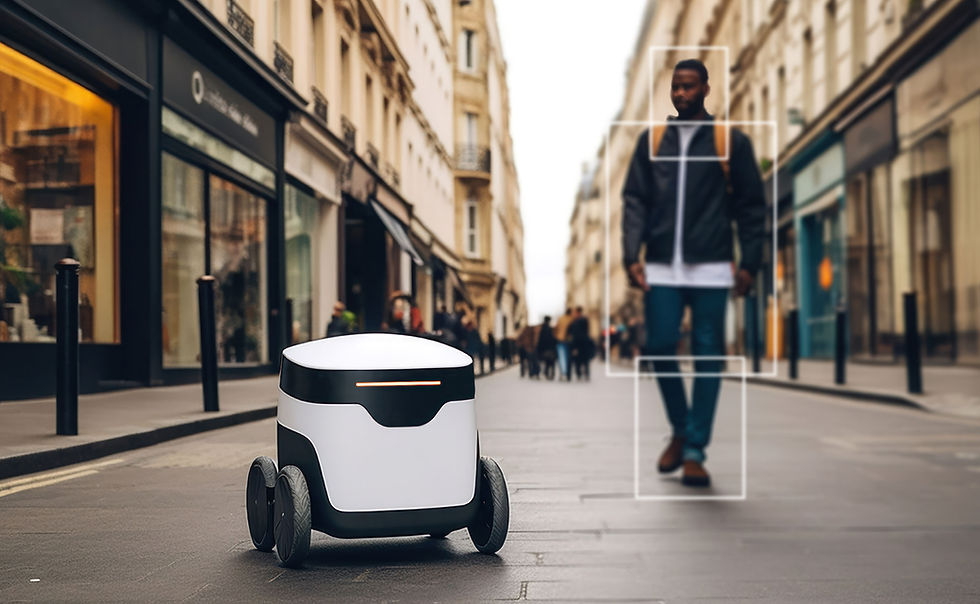
Artificial intelligence is used by transportation systems to keep track of large networks of moving objects. Navigation apps look at traffic patterns, road closures, and past trips. They change routes based on what usually happens at certain times and places. When things change, so do suggestions. Traffic lights in cities like Singapore change their timing based on how fast cars are moving. Signals don't follow a set schedule; instead, they respond to what is happening in real time. This makes things less crowded and safer without having to have someone watch every intersection. Public transportation systems also get better. Learning from past data is important for figuring out arrival times, schedules, and maintenance checks. Before something breaks down, problems are often found. CERN and other big research campuses use similar systems to keep track of people moving around in large areas. In transportation, AI works best as a quiet coordinator instead of a visible controller.
Using AI in Healthcare and Medical Care
Healthcare demonstrates how artificial intelligence can assist critical human decision-making. Learning systems in hospitals look at medical images like scans and X-rays. They look at thousands of earlier cases and compare them to new ones. They then point out areas that look strange. These marks tell doctors to look more closely. AI doesn't choose who is sick or how to treat them. Doctors look at symptoms, medical history, and the person as a whole, which machines can't do. Hospitals also use AI to figure out when they will be busy, how to handle patient flow, and how to cut down on wait times. These systems help with telemedicine and early screening in remote areas of countries like India. Research centers like MIT look into how these kinds of systems can help doctors while still being fair and safe. Technology helps healthcare be more accurate, but trust and care are still very human.
AI in Classrooms and Learning
Artificial intelligence is becoming more and more important in learning environments to help both teachers and students. Digital learning platforms keep track of how students answer questions, how long they take, and where they get stuck. Based on these patterns, systems suggest practice that fits with what you already know. This doesn't take the place of teachers. Teachers inspire, support, and react to feelings. Artificial intelligence just puts together information that would be hard to handle by hand. Tools for learning languages listen to how words are pronounced and give feedback. Reading tools change how hard they are as you get more confident. Assessment systems show where more help might be needed. Stanford University and other schools look into how technology can help people learn without making them less connected to each other. In classrooms, AI works best when it doesn't take center stage.
AI Powers Online experiences.
A lot of online services use AI without letting you know. The results of a search are sorted by how relevant they are. Video and music sites suggest content based on what you've liked in the past. Email systems sort out messages that aren't wanted. These systems watch what people do and see when they do it again. They don't judge what is true or valuable. They guess what the user might want next. This helps students stay thoughtful users instead of just following suggestions.
Limits and Responsibility in Artificial Intelligence in Daily Life
Artificial intelligence has clear benefits, but it also requires people to be responsible. Data is what these systems need. Results will show these problems if the data has holes or bias. When personal information is kept or shared, privacy concerns come up. Artificial intelligence also doesn't understand things. It can't tell if something is fair, right, or has an emotional effect. People need to look over the results, fix any mistakes, and set limits. If you rely too much on automated suggestions, you might not think for yourself as much. This is why learning about AI is just as important as the tools themselves.
Why students should care about AI in daily life.
For students, learning about AI in everyday life makes them feel less scared and more sure of themselves. They learn that technology helps with tasks, not values. They understand why creativity, empathy, and good judgment are still strong points for people. These systems will be used in jobs in the future in technology, healthcare, transportation, and education. Students are ready to use them wisely when they know how they work. At Wisdom Point, learning is all about being clear, responsible, and using technology wisely in real life.
Common Questions
How does AI make everyday tasks easier?
It helps with navigation, learning tools, health care analysis, and phone security.
Does AI make choices for people?
No. It gives ideas, but people make the final decisions.
Is it safe for students to use artificial intelligence?
Yes, as long as it is used as a support system and guided responsibly.
Why do a lot of phones have AI in them?
Pattern recognition is what helps phones do things quickly and correctly.
Why do students need to know about AI that is used every day?
Learning it helps you think critically and use technology responsibly.


Comments