


Famous Women Who Have Been Astronauts

Imagine that you are sitting on top of a rocket with your eyes closed. The seat shakes. The engines start up below you. Everything shakes for a few seconds. As the spacecraft goes higher and higher, the pull of gravity pushes you back. That is not a scene from a film. Real astronauts go through it. Some of them are famous women astronauts who have helped shape the story of space & beyond with their bravery, smarts, and calmness. It wasn't always easy for them to get where they wanted to go. A lot of people grew up when few people thought women would be pilots, engineers, or space travellers. They worked hard, got turned down, trained until they were tired, and kept going. That willpower changed the course of history.
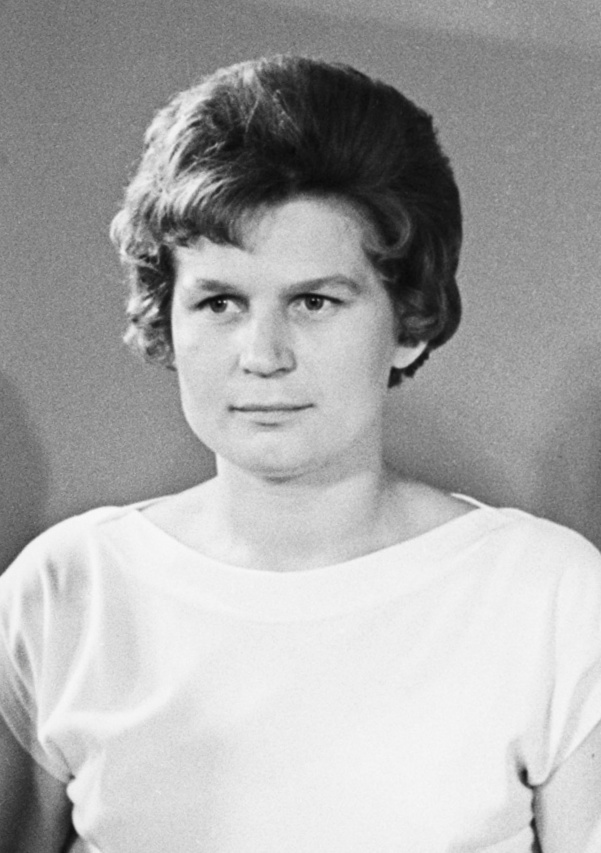
Valentina Tereshkova: From Factory Worker to Space Pioneer
“Valentina Tereshkova” was the first woman to go into space in 1963. She took off from the Baikonur Cosmodrome in Kazakhstan on board “Vostok 6”. She went around the Earth 48 times in almost three days. The beginning of her story is what makes it so interesting. Tereshkova worked in a textile factory and learned how to parachute as a hobby. Her skills as a parachutist gave her an edge when the Soviet space program looked for women to join. She kept detailed notes, talked to mission control, and dealt with the physical strain of spaceflight once she was in orbit. Her mission had political meaning at the height of the Cold War. But her success showed something simple and powerful: women could do this job.

Sally Ride and a New Era in the United States
In 1983, twenty years later, Sally Ride boarded the Space Shuttle Challenger and became the first American woman to go into space. The launch from Florida's Kennedy Space Center got a lot of attention from the public. Ride was more than just an astronaut. She had a PhD in physics from Stanford University. She used the shuttle's robotic arm to put satellites into orbit while on her mission. That job required calm focus and accuracy. She also answered questions that sometimes showed old-fashioned ways of thinking. She didn't get angry; instead, she stayed professional and let her work speak for itself. After leaving NASA, she worked hard to teach science and get girls interested in math and engineering.

Taking Charge
By the end of the 1990s, there were a lot of women in the astronaut corps. Eileen Collins was in charge of Space Shuttle Columbia in 1999. To become a shuttle commander, you need to know a lot about technology and how to lead people under pressure. Collins had been a military test pilot before, flying high-performance planes in tough situations. Her command was more than just a big deal. It showed that space agencies now saw women as leaders who could lead whole missions.

Living and Working in Space
Today, space often means spending a lot of time on the International Space Station. Christina Koch spent 328 days in space without stopping from 2019 to 2020, breaking the record for the longest single spaceflight by a woman. Everything is different in microgravity. Astronauts put on sleeping bags so they don't float around at night. They work out every day to keep their bones and muscles safe. You have to be careful even when you drink water because it makes bubbles. Koch also went on the first all-female spacewalk with Jessica Meir. They changed out a broken power controller outside the station while wearing big suits and thick gloves. The blue and white Earth below them moved quietly against the black of space. It was a historic moment, but it was also a routine maintenance task that needed focus and teamwork.

Science That Helps the Earth
There is a lot of research going on in space missions. In 1992, Mae Jemison became the first Black woman to go to space when she flew on the Space Shuttle Endeavour. She was a trained doctor and engineer who did experiments on human health. Astronauts on the space station study how bones become denser, how muscles change, how plants grow, and how fluids act in weightlessness. These studies are important because they help doctors learn more about diseases like osteoporosis and muscle loss on Earth. You need to plan every experiment carefully. Even a loose screw can move away when it's in space. Crew members need to plan ahead and talk to each other clearly.

A Story That Is Truly International
Many countries are now involved in human spaceflight. Samantha Cristoforetti, who worked for the European Space Agency, spent a long time on the International Space Station and later became its commander. Her missions showed how well Europe, the US, and Russia could work together. “Liu Yang” became the first Chinese woman in space in 2012. She launched from the Jiuquan Satellite Launch Center in the Gobi Desert. The “Indian Space Research Organisation”, which is based in Bengaluru, is still working on human spaceflight in India. Women engineers and scientists are very important to mission design and research. Space is not just a race anymore. It has turned into a project that everyone is working on.
Why Their Stories Stick with Us
The accomplishments of “famous women astronauts” go beyond numbers. When students see a woman in space fixing things or commanding a spaceship, it changes what they expect. There are more options for jobs in science and engineering. These astronauts stand for discovery and possibility in the category of "Space & Beyond." Wisdom Point and other educational sites share their stories to get people interested in astronomy, physics, and working together around the world. Women will continue to be pilots, scientists, engineers, and commanders as future missions get ready to send people back to the Moon and then to Mars. Their journeys show us that progress often starts with someone who is willing to sit on top of a rocket and trust years of work.
Questions That Are Often Asked
1. Who was the first woman to go into space?
Valentina Tereshkova was the first woman to go into space. She did it on Vostok 6 in 1963.
2. Who was the first American woman to go into space?
Sally Ride flew on the Space Shuttle Challenger in 1983.
3. What record did Christina Koch break?
She was on the International Space Station for 328 days in a row.
4. What do women astronauts learn about while they're in space?
They study how to keep people healthy, how plants grow, how physics works in microgravity, and how spacecraft systems work.
5. Do women lead space missions?
Yes, Eileen Collins led a Space Shuttle mission, and Samantha Cristoforetti led the International Space Station.
6. Why are famous women astronauts important for kids?
They show that hard work, learning, and working together can lead to good jobs in space and other places.


Comments