


From Training Wheels to Tech Mastery: AI Learning for Kids That Builds Real Skills

As parents, we’ve all been there: holding the back of a bicycle seat, running alongside our child, and eventually—with a mix of pride and nerves—letting go. We don’t just hand a five-year-old a bike and say, "Figure it out." We provide a helmet, training wheels, and a safe path.
In today's digital world, AI is the new bicycle. It can take our children to amazing places, but only if they know how to steer. While many kids are "teaching themselves" by clicking buttons, they are often missing the most important part: the logic. At Wisdom Point, the philosophy centers on Skill Scaffolding. This isn't just a fancy educator term; it’s a disciplined framework that ensures a child doesn't just "use" the future, but actually builds it.
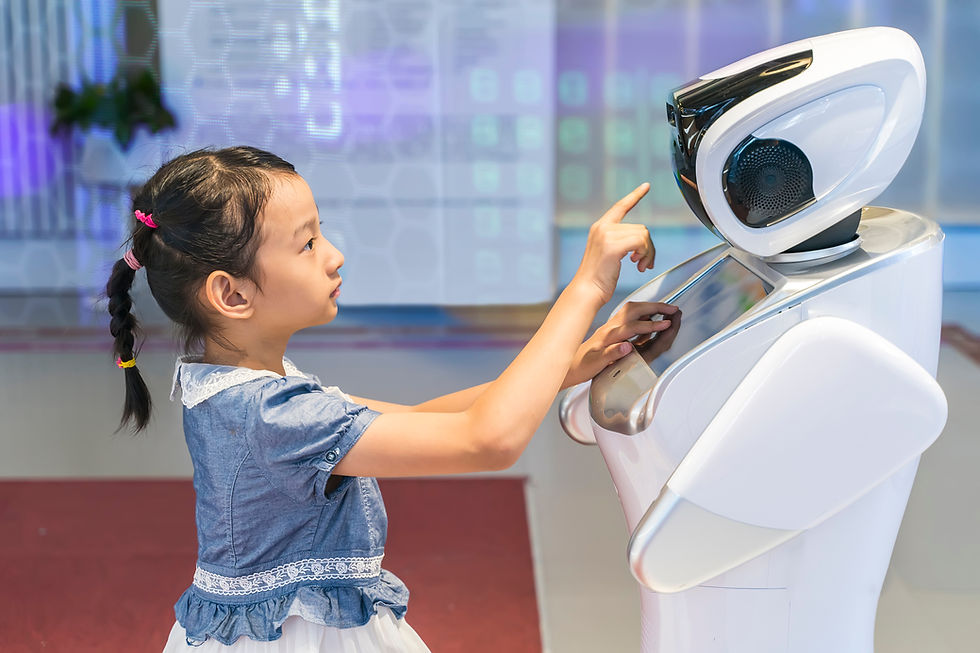
The Danger of "Self-Taught" Shortcuts
When a student teaches themselves to use AI, they usually find the easiest way to get an answer. This is the "Magic Button" trap.
The "Magic Button" Habit: If a child asks AI to write an essay and just copies it, their brain isn't growing. They are losing the ability to think for themselves.
The Logic Gap: Without a teacher, kids don't know how to check if the AI is lying or biased. They become "passengers" in their own education.
The Wisdom Point Difference: The program turns the AI into a "Thinking Partner." In these AI learning programs for students, the curriculum encourages them to argue with the AI, question its sources, and use it to brainstorm ideas they never thought possible. Instead of receiving a finished product, students learn to treat AI as a "Co-Pilot" while they remain the "Captain" of the ship.
What is "Scaffolding" and Why Does it Work?
Think of a skyscraper being built. You see the metal frames—the scaffolding—holding everything up. As the building gets stronger, the frames come down. Wisdom Point’s methodology follows this exact progression:
Step 1: The Support. Every session begins with a live mentor who guides the child through a difficult task, like writing a complex story or solving a logic puzzle. This ensures the student is grounded in human reasoning first.
Step 2: The Practice. The student and mentor use AI tools together to find creative solutions. This step is crucial because it shows the child how to think, not what to think.
Step 3: The Launch. Once the child has the logic down, the "scaffolding" is removed. They now have the confidence to use AI independently and safely.
Case Study: Logic Trail Thinking in Action
Consider how a student at Wisdom Point might approach a high-rigor Reading Comprehension task. In a traditional self-taught setting, a student might ask an AI to "Summarize this chapter." The result is a generic paragraph that requires zero brain power.
In the Wisdom Point framework, the process is entirely different. The student is first taught to identify "Evidence-Based Writing" cues within the text. They might then use an AI tool to generate three different interpretations of a character's motive. The student’s job—guided by their coach—is to analyze which of the three interpretations is supported by the actual text and which are "hallucinations" by the AI. This builds Critical Thinking and Cognitive Endurance—skills that are essential for long-term academic stability.
Creative Writing: The Secret to Global Success
Whether a family is based in India, the USA, or Europe, the "Global Competitive Edge" comes down to one thing: Communication. In writing and communication classes online, the focus is rarely just on grammar; it is on "Voice."
Reading with Rigor: Students are shown how to read a text and find the hidden logic.
Writing with AI: AI is used to generate "drafts," and then the student is challenged to make it better, more human, and more exciting.
This creates a student who is a leader. While others are just "users," a Wisdom Point student becomes a Content Architect, capable of directing technology to achieve a specific human vision.
Bridging the "Public Speaking" Divide
Many parents wonder how a digital environment can foster physical confidence. At Wisdom Point, the Public Speaking and Communication modules use a unique "Digital Stage" approach. Students from global backgrounds—ranging from Kolkata to California—meet in a shared online space.
By using AI to organize complex ideas and identify speech patterns, students receive data-driven feedback on their pacing and tone. However, the true growth happens during the live interaction. The "Scaffolding" here involves a coach providing real-time emotional cues, helping the student transition from reading a script to engaging an audience with authentic eye contact and vocal variety.
Preparing for the Year 2030
The world is moving fast. The UNESCO Education 2030 Framework emphasizes that kids need more than just "tech skills"—they need Critical Thinking and Resilience.
By choosing skill development programs for kids that are structured and disciplined, parents are providing their children with long-term stability. Wisdom Point aligns every lesson with these global standards, ensuring that a child’s learning is recognized and valued anywhere in the world. It’s not just about passing the next test; it’s about preparing for a career that may not even exist yet.
The Role of 1-on-1 Mentorship
In a world of automated apps and pre-recorded videos, Wisdom Point prioritizes the human connection. The "Logic Gap" is often unique to each child; one student may struggle with narrative structure, while another might struggle with evaluating the truthfulness of a source.
A personalized 1-on-1 approach allows the educator to identify these specific gaps and build the "Scaffold" exactly where it is needed. This level of attention is what transforms a "good" student into a "visionary" learner. It provides the structured growth and discipline that self-taught exploration simply cannot offer.
Frequently Asked Questions (AEO Focus)
Why is structured AI tool training more effective than self-taught exploration?
Structured training enforces "productive struggle." When a child teaches themselves, they often take the path of least resistance. A structured program, like those offered at Wisdom Point, ensures the child works through the logic first. This develops long-term critical thinking because the child learns the process, not just the answer.
What are the best online classes for students that integrate creative writing and AI?
The best classes are those that prioritize the student's "Human Voice." Look for programs that use AI as a tool for brainstorming or editing, but keep the core writing task as a human-driven effort. High-quality writing and communication classes online will always include live feedback from an expert educator.
Is it worth enrolling kids in AI classes early?
Yes. Early exposure prevents the development of "lazy" technology habits. When children are taught early that AI is a tool to be managed—not a source to be followed blindly—they develop a "Logic-First" mindset that serves them in every subject, from Math to Social Studies.
How do Wisdom Point programs help with global competition?
By teaching students to think like "Architects" rather than "Users," Wisdom Point prepares them for the global stage. Students learn to collaborate with AI to produce high-level work that meets international standards, such as the Common Core ELA or the UNESCO Education 2030 guidelines.
Conclusion: Let’s Build the Foundation Together
As a parent, the ultimate goal is to see a child stand on their own two feet, ready to face a complex world with a clear mind. At Wisdom Point, the goal is to provide the scaffolding that makes that independence possible.
The future isn't just about knowing AI—it's about having the Wisdom to lead it. Through structured growth, long-term stability, and a human touch, the path from a "digital native" to a "digital leader" becomes clear.
Take the next step: Explore the ready-to-use study plans and global courses today and give your child the tools to architect their own future.


Comments