


Artificial Intelligence and Human Intelligence Explained

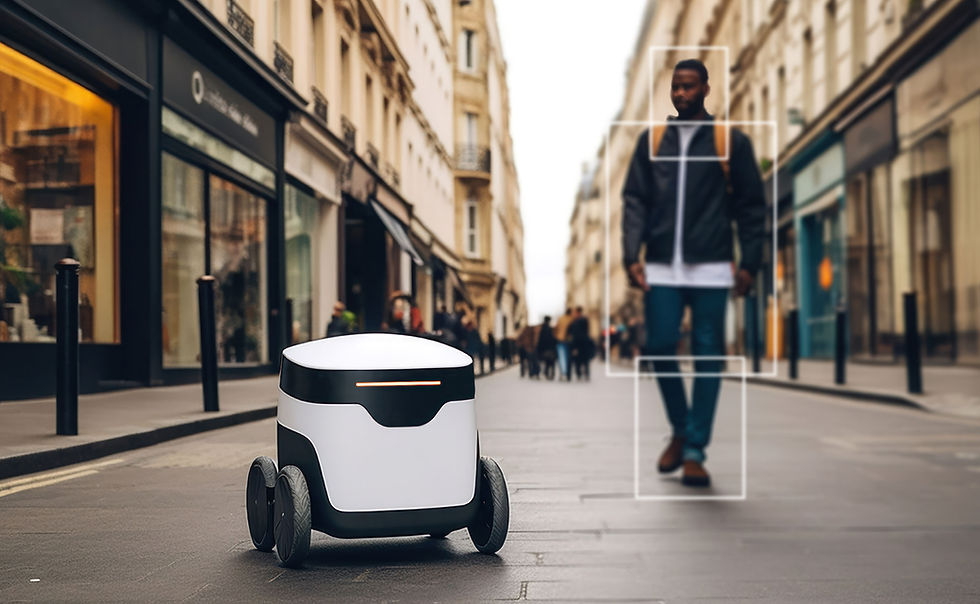
“Artificial Intelligence and Human Intelligence—Key Differences, Similarities, and Limits of Each” is not a discussion about machines beating humans. It's a talk about how to better understand ourselves. Every time we compare human intelligence to artificial intelligence, we end up asking the same question. What does it really mean to think? This question is very important , especially for kids who grow up with technology all around them. Kids see smart gadgets all over the place. Teenagers use AI-based tools to learn. People talk about whether machines will ever take over jobs that humans do. To grasp this, we must slow down and learn how human and artificial intelligence work and differ. You don't need to be scared or excited. Just understanding.Before we go further, this simple visual helps clarify how human intelligence and artificial intelligence differ, and where each has its place.

How People Get Smarter
Intelligence in people starts out slowly. A baby doesn't come with knowledge; they come with curiosity. The mind is shaped by sights, sounds, feelings, and experiences over time. Mistakes, repetition, and making connections are all ways to learn. No one gives a child a rule book when they learn to talk. They pay attention. They copy. They try things out. Meaning takes time to form. Relationships, culture, and emotions help people get smarter. Feeling and memory go hand in hand. Imagination and logic work together. The brain of a person can change. As we learn, it changes. Learning new skills makes new connections. The brain often finds new ways to get around problems, even when they come up. This ability to adapt gives human intelligence a depth that can't be measured by speed alone. Most importantly, people know what things mean. A story can give you ideas. A promise can make you feel better. You can be responsible for your choices. These traits affect every choice we make.
What AI Really Does
AI is made to help, not to live. It doesn't grow in the same way that people do through experience. It works with information. AI systems look at a lot of data and find patterns. They learn what usually happens next after seeing enough examples. This lets them understand speech, sort pictures, or guess what will happen. Over the years, research centers like MIT and Stanford University helped improve these systems. But AI still doesn't know why something is important. It doesn't know what happiness, fear, or fairness are. It figures it out. Every AI system is made to do a certain job. A language translation tool can't read feelings. A game-playing program can't help you make decisions about your life. Artificial intelligence is still focused and limited on purpose.
How Artificial Intelligence and Human Intelligence Are the Same
It looks like humans and AI learn in the same way at first. Both get better with time. Both see patterns. Both get something out of feedback. A student gets better at math by practicing. An AI system looks at examples and gets better. Both can have trouble when they don't have all the information. They can both make mistakes. These similarities are what make AI seem like a person at times. But this feeling goes away when you need to know more.
Where the Difference of Artificial Intelligence and Human Intelligence Becomes Clear
Intelligence in humans works in context. A joke, a pause, or a look on your face can all change the meaning. People can naturally feel this. No, AI doesn't. People connect ideas throughout their lives. You can make a decision today based on what you learned from history. AI can't pass on knowledge unless it gets trained again. Emotions shape how people think. Empathy affects decisions. Guilt stops people from doing bad things. Hope motivates effort. This is not true of artificial intelligence. It doesn't care about the results. Curiosity is probably the most obvious difference. People ask questions because they want to learn. AI only answers when asked.
The Natural Limits of Human Intelligence
There are limits to human intelligence. Memory gets worse. The focus fades. Bias affects how we see things. Stress can change how you think. A lot of information is hard for people to handle. It's hard to see patterns that are hidden in millions of records without help. Sometimes, feelings can get in the way of logic. These limits show why tools are important. Technology helps people think instead of taking their place when used correctly.
The Clear Limits of AI
There are also clear limits on artificial intelligence. It all depends on the information it gets. The results will show any mistakes or unfair patterns in the data. AI can't decide what's fair on its own. AI doesn't have common sense. It can get confused by small changes. It's still hard to explain decisions in plain English. Most importantly, AI doesn't know anything. It doesn't know it's there. This means that it can't be used to make moral or ethical choices. Even cutting-edge research centers like CERN depend on human intelligence for guidance in interpretation and accountability.
The Best Places for Artificial Intelligence and Human Intelligence to Work Together
When people and AI work together, they get the best results. AI helps doctors see patterns in scans, and then they use their knowledge and care. Teachers use AI tools to keep track of how well students are learning and then respond in a way that makes sense. First, scientists use AI to sort through data. Then, they figure out what questions are really important. AI helps with traffic in Singapore, but people make the rules. Farmers in India look at AI weather forecasts but make their final decisions based on what they know. This balance works because they help each other.
Why Students Should Know This
For students, learning about the "key similarities, differences, and limits of each" type of intelligence—human and artificial—makes things clearer. They learn that AI is a tool, not a brain. They see that creativity, empathy, morality, and judgment are still things that people are good at. You will need to be aware of this for jobs in science, technology, education, and leadership. Students can use AI wisely if they know where it works and where it doesn't. At Wisdom Point, learning starts with understanding, not fear.
Questions and Answers
What sets human intelligence apart from artificial intelligence?
People can understand what things mean and how they feel. Artificial intelligence analyses patterns without consciousness.
Is it possible for AI to take the place of human thought?
No. AI can help with tasks, but it can't replace judgment, empathy, or responsibility.
Why does AI sometimes get the wrong answer?
The quality of the data that AI learns from affects how well it works. There are mistakes when the data is wrong.
Are people smarter than computers?
People think about many things in life. AI is quick at doing small tasks.
Why should students study both at the same time?
Students can learn to use technology responsibly and appreciate human abilities by understanding both.


Comments