


What Is Artificial Intelligence A Simple Guide for Everyday Life

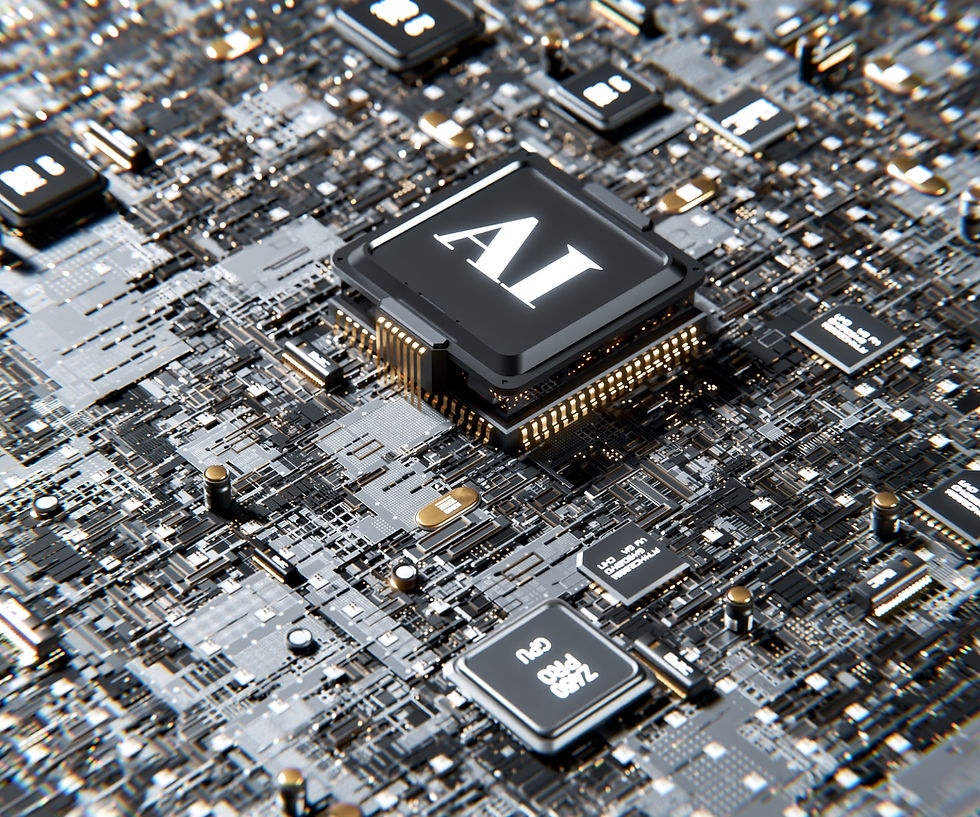
The question, "What is artificial intelligence?" isn't just for computer labs or research papers. It should be in classrooms, living rooms, and everyday talks. It's a question about how people think and what happens when they try to teach machines how to think?
Artificial intelligence is a part of science & technology, but it all started with people, not computers. Before there were screens and software, people were curious about how memory works, why practice makes you better, and how choices are made. Those simple observations about learning were the first steps toward creating artificial intelligence.
AI is working quietly in the background right now. It helps students locate information more quickly. It helps doctors look over scans. It tells you how to get around when there is a lot of traffic. Many people use AI every day without even knowing it. When you understand it, you don't have to be afraid anymore; you can be confident
How to Understand AI by Looking at Daily Life
To get a better idea of what artificial intelligence is, think about how people learn on their own. A child who is learning to read doesn't memorize all the words at once. They see shapes, hear sounds, and hear things over and over. Reading becomes easier over time.
AI learns in a similar way. It doesn't know what things mean, but it does see patterns. It starts to guess what usually comes next when it sees many examples. It learns how letters usually look if it sees enough handwriting samples
This doesn't mean that the machine reads like a person does. It doesn't like stories or feel good about making progress. It just gets better at remembering things it has seen before.
This difference is important. AI can process information rapidly. People know what they want, how they feel, and what will happen. Both strengths are important
Where the Idea of AI Came From
Thinking machines have been around for a long time before computers. Old stories made up mechanical helpers. Philosophers argued about whether rules guided thought. Later, mathematicians showed that you could use symbols to write logic
Scientists asked a daring question in the 1900s. Could those patterns be copied if thinking follows them? A group of researchers in the US met in 1956 and gave this idea a name. AI. At first, people were very confident. Many people thought that machines would soon be able to think like people. That didn't happen. Early systems did well with simple tasks but not so well in the real world. Things moved more slowly. Less money was available. People started to call these times AI winters. Things changed when computers got faster and there was a lot of data. Digital photos, recorded speech, and text on the Internet all gave machines real things to learn from. Artificial intelligence slowly went from being a theory to being used every day.
How AI Learns
There are three main things that make artificial intelligence work. The three main components of artificial intelligence are information, commands, and processing power. Data is like experience. A system becomes better the more examples it sees. Instructions tell the system how to look at those examples. Computers perform calculations quickly. One way to teach a system is to show it many examples instead of giving it direct answers. It starts to see patterns on its own as time goes on. More advanced systems use layered learning, which is based on how the human brain functions. Information undergoes a series of steps, each one enhancing its clarity. Researchers at major universities worked on these ideas for many years to improve them. Some systems still follow strict rules that people wrote, especially when it comes to safety. A lot of modern tools use learning systems and set rules to help people make fewer mistakes.
Different Types of AI
There isn't just one thing that is artificial intelligence. Most AI today is narrow. It has one job to do. This group includes voice assistants, translation tools, map navigation, and systems that give you suggestions. General AI is a term for a machine that can learn about a lot of different things, just like a person. This kind of technology is still just an idea, not a fact. Scientists are still talking about it, but there is no such system. Memory is another way to think about AI. Some systems only respond to what they see right now. Some people learn from things that have happened to them in the past. There are only stories about machines that know themselves. These groups help students learn what artificial intelligence can and can't do.
How is AI used in Daily Life?
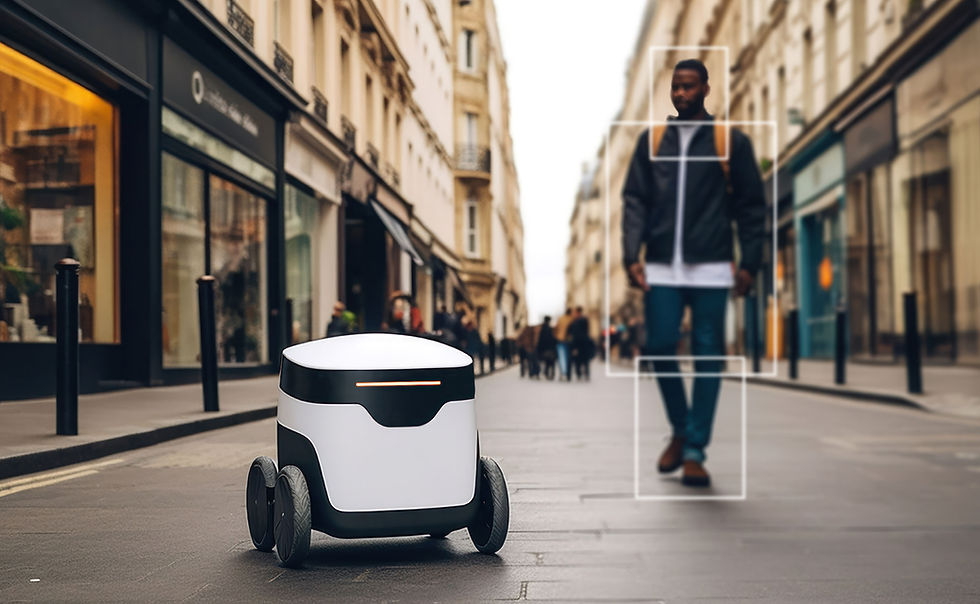
AI already helps with many things we do every day. Phones can understand speech. Cameras take pictures of groups. Learning platforms change lessons based on how well students are doing. AI systems in hospitals assist doctors in making decisions by highlighting unusual patterns. AI is used to control traffic in cities like Singapore. AI-powered weather forecasts help Indian farmers plan their crops. Based on what you've watched in the past, entertainment platforms suggest content. Artificial intelligence helps people in every situation. It doesn't take the place of human judgment. People still have the final say.
Responsibility and Ethics
As AI becomes more common, it is important to take responsibility. AI systems learn from data that comes from people. The system might repeat those patterns if the data has them. This is called bias. To stop it, you need to plan carefully and check it often. Privacy is also important. AI systems frequently manage personal data. Trust is easier to keep when there are clear rules and strong protections. Now, teachers and researchers all over the world are focusing on responsible use. When students learn how AI works, they are less likely to accept results without question. The future of AI depends on people being smart about how they use it.
Why AI is Important
Learning about "What Is Artificial Intelligence" gets kids ready for the world they will live in. AI has an impact on jobs in medicine, education, science, communication, and the arts. You don't have to know how to code to learn about AI. It means knowing how systems learn, where mistakes can happen, and why human values are still important. AI mirrors the decisions people make. Helping students think about it keeps those choices smart.
Questions and Answers
What is artificial intelligence in plain English?
Artificial intelligence helps machines learn from examples and respond in a smart way.
Does AI think like people do?
No. AI can see patterns, but it doesn't know what they mean or how they feel.
Is AI safe?
When AI is made carefully and used with clear rules, it is safe.
Where do we use AI every day?
AI can be found in phones, educational tools, healthcare, transportation, and entertainment.
Will AI take the place of people?
AI changes how people work, but creativity, empathy, and judgment are still things that people are proficient at.


Comments