


How Artificial Intelligence Works

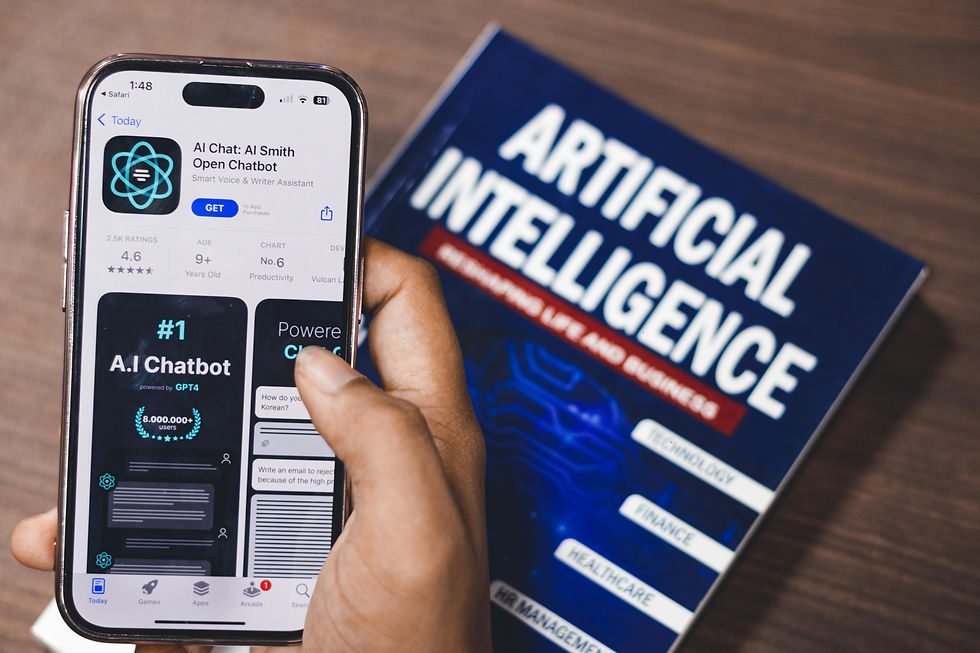
A lot of the time, people use technical language to discuss "How Artificial Intelligence Works: An overview of data algorithms and learning systems," which makes it seem far away or scary. When we slow down and contemplate how people already learn, the idea becomes much clearer. AI doesn't wake up, think, or wonder. It works because people make systems that can look at information, follow instructions step by step, and get better at responding by doing things over and over. This information is important for students in the STEM Zone to know. It makes artificial intelligence less mysterious and more understandable. A machine does not have a brain that works like AI. It is a structured process made by people, shaped by their choices, and limited by their responsibilities. This approach makes the topic seem a lot less scary. This article discusses the basic parts of artificial intelligence to help you understand how it works. Information. Directions. Systems for learning. Each part has a job to do, and none of them can do it without people telling them what to do.
How a Human Question Starts Everything
A person asks a simple question to start every artificial intelligence system. Is there a machine that can help with this? That job could be anything from recognizing speech to sorting pictures to predicting traffic to helping people learn. Nothing happens without this starting point. The goal is up to people. People choose what information is important. People determine what success entails. The machine doesn't make any of these choices on its own. After they know what they want to do, developers gather information about the task. The system learns from this information. Then, computers process this information over and over again, following instructions that people wrote. When people talk about artificial intelligence "learning," they mean a very specific thing. The system checks its results against what it was supposed to do. It makes small changes if the outcome is wrong. The answers get better after being repeated many times. There is no comprehension or purpose present. Just a change.
Why Artificial Intelligence Works Is So Important
Every AI system begins with data. The system has nothing to study if it doesn't have data. There are many types of data. Numbers from sensors. Pictures taken by cameras. Words from books and texts. Sounds of speech that has been recorded. Every example shows the system what usually happens. Think about how to teach someone to read handwriting. You would show a lot of examples. As time goes on, patterns become easier to see. AI works in a similar way. It looks at shapes, spacing, and how often things happen. It gets better at recognizing things it has seen before over time. The quality of data is crucial. The results will show these problems if the information is wrong, unfair, or missing. Artificial intelligence cannot tell if information is fair or useful. People need to think carefully about those choices. This is why people are always responsible, not machines.
Getting to Know Algorithms Without Fear
Algorithms can sound complicated, but the idea is simple. An algorithm is a clear set of steps that tells a computer how to use data. Some algorithms have very strict rules. If this happens, do it. These work well in situations where you know what's going to happen, like making plans or doing math. Some algorithms let you make small changes. When the system makes a mistake, the internal values change a little bit. These small changes make mistakes less common over time. Algorithms don't have thoughts. They don't make a choice. They follow the instructions precisely. They are strong because they are fast and consistent, not because they are creative or good at making decisions.
How Learning Systems Get Better Over Time
Learning systems let AI get better without having to write down every possible rule. The system gets examples in addition to instructions. For example, developers label a lot of examples to filter out messages they don't want. The system looks for patterns in words, structure, and how often they are used. It doesn't know how to speak. It picks up on patterns. The system changes every time it makes a wrong guess. The guesses get better over time. Repetition, not understanding, is what helps you learn. There are different ways to learn because problems are different. Some systems learn by looking at examples with answers that are already known. Some people look for patterns on their own. Some people learn by getting feedback and making changes. Learning always depends on practice and comparing.
Training, Testing, and Constant Human Involvement
AI doesn't learn and then stop. Learning happens over and over again. First, people use examples they already know to teach the system. Then they try it out with new data. Errors show up. People look at those mistakes and change the system. This happens over and over again. People decide when performance is good enough. People decide what to do with the results. The system never makes its own decisions about what to do. This constant involvement is not a flaw. It is a good thing. It keeps AI in touch with real needs and human values.
Where AI Clearly Stops
Artificial intelligence has clear limits, even though it can do some amazing things. It doesn't know what things mean. It can see a face, but it doesn't know who it is. It can read words but not feel anything. It also doesn't have any common sense. It can be hard to understand when information changes slightly. People can make mistakes in situations that seem clear to them. The most important thing is that AI doesn't have any awareness. It doesn't know it's there. This means it can't be used to make moral or ethical decisions. Even at CERN, which is one of the most advanced scientific places in the world, people need to be able to understand results and make smart decisions.
AI in the Real World
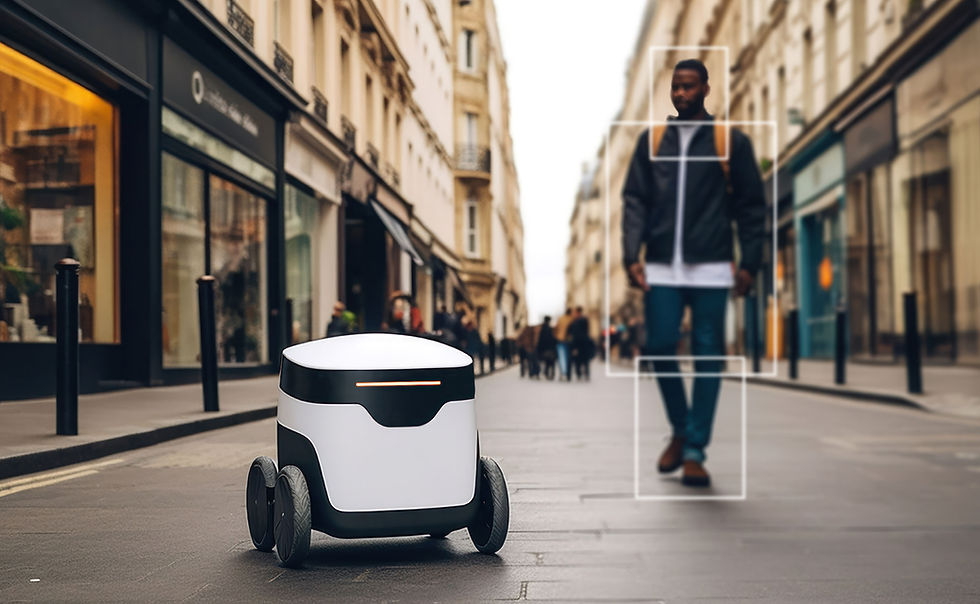
AI helps with a lot of things we do every day. Pattern recognition lets you unlock your phone. Learning platforms suggest practice based on how well you're doing. Transportation systems keep traffic moving. Healthcare tools show scans that don't follow normal patterns. In cities like Singapore, systems help keep roads in order. Farmers in India use data-based forecasts to decide what to plant. MIT and Stanford University are two research institutions that look into how these systems can help society in a safe way. People are always responsible, no matter what. AI helps with tasks. People decide things.
Why it's important to know how AI works
Students who learn about How Artificial Intelligence Works feel more confident, not scared. It helps them understand that people make and control technology. It makes people more curious instead of blindly trusting. Understanding how these systems work is becoming more and more important as more and more people work in science, technology, healthcare, and education. Wisdom Point believes that learning is based on being clear, responsible, and thinking carefully.
Frequently Asked Questions
How does AI learn?
It learns from information, follows directions, and changes its answers based on what it has done in the past.
Does AI know what it's doing?
No. It processes patterns without feeling or being aware of them.
Why does AI make mistakes sometimes
When information is scarce, unclear, or new, mistakes happen.
Is it possible for AI to make choices for people?
No. It helps, but people are still in charge of their own choices.
Why should students learn about how AI works?
Understanding helps you think critically and use technology responsibly.


Comments